A Deep Dive Into Jamaica’s Culinary Food Traditions

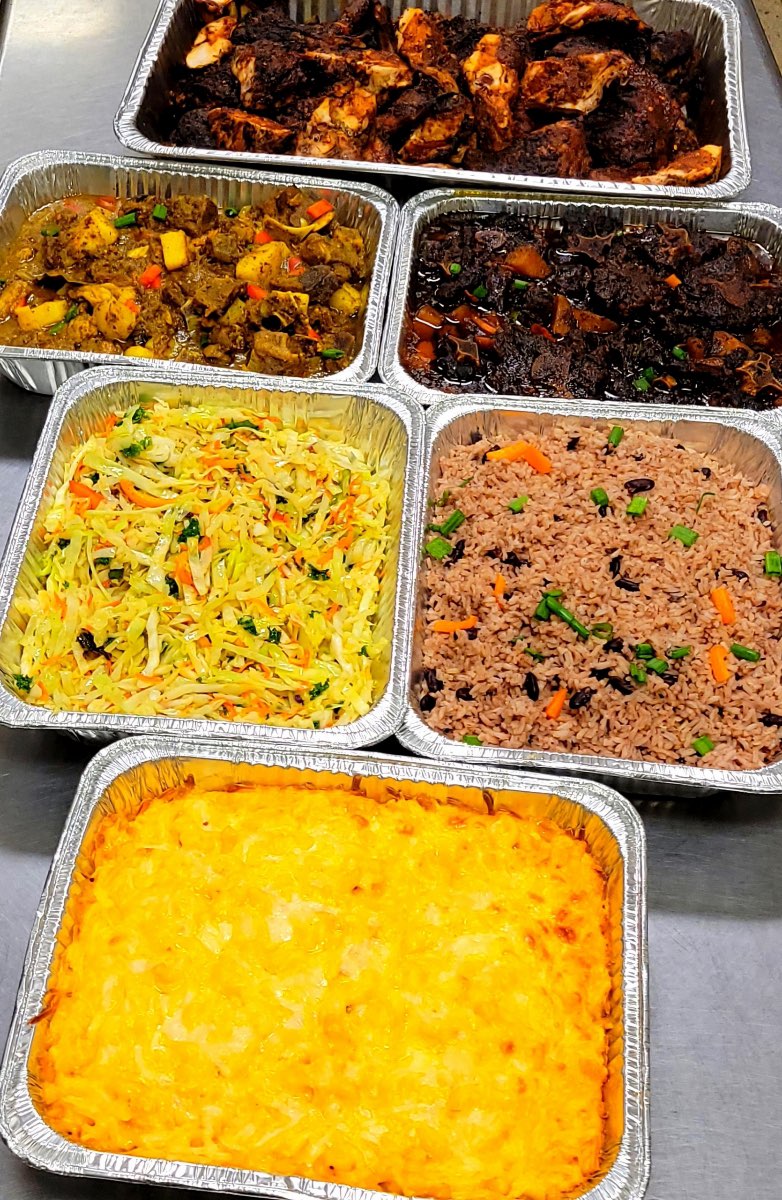
Jamaica’s food culture is one of the clearest expressions of the island’s history, climate, and character. You taste it in the smoke from a roadside jerk pan, in the sweetness of ripe plantain next to a fiery stew, and in the way breakfast can feel both practical and ceremonial. Jamaican food is often discussed through a few famous dishes, especially jerk chicken and patties, but the deeper story is broader and more layered than the postcards suggest.
To understand Jamaican cuisine properly, it helps to think beyond recipes. The island’s food traditions were shaped by Indigenous knowledge, African cooking techniques, European colonial influence, Indian and Chinese migration, local agriculture, and the sheer necessity of making nourishing meals from what was available. What emerged is not a tidy fusion in the modern restaurant sense. It is a working cuisine, resilient and inventive, rooted in flavor but also in survival, memory, and place.
The island’s history is written on the plate
Jamaican cooking reflects centuries of movement, coercion, adaptation, and exchange. Before colonization, the Taíno people used cassava, peppers, fish, and methods of preserving and cooking that left traces in the culinary culture. The word “barbecue” itself is often linked to the Caribbean region, including Taíno practice. That alone tells you how deep some of these roots go.
The largest influence on the shape of Jamaican food came from West and Central African foodways, carried by enslaved people under brutal conditions. Techniques such as one-pot cooking, frying, stewing, seasoning in stages, and making the most of starches and less celebrated cuts of meat all became central to everyday eating. Dishes like pepper pot soup, callaloo preparations, and various ground provision combinations echo this legacy. So does the strong understanding of seasoning not as surface decoration, but as structure.
Then came British colonial influence, visible in salted cod, puddings, buns, and certain baking traditions. Saltfish, now central to one of the island’s best-known breakfasts, was introduced through Atlantic trade. Indian indentured laborers brought curry traditions and an ease with spice layering that Jamaicans transformed in distinct ways. Chinese migrants contributed techniques, sauces, and approaches to stir-frying that filtered into the wider cooking culture. The result is a cuisine that carries many inheritances without losing its own identity.
That identity depends on adaptation. Jamaican cooks did not simply borrow. They reworked. Curry in Jamaica is not Indian curry reproduced faithfully, and fried rice in Jamaica is not Chinese food in the strict sense. Each became Jamaican through local ingredients, local taste, and local priorities.
The logic of Jamaican flavor
People new to Jamaican food often focus first on heat, usually because of Scotch bonnet pepper. Heat matters, but it is only one note. The real signature lies in balance. Good Jamaican cooking knows how to manage smoke, sweetness, acid, bitterness, spice, herbs, and savory https://www.google.com/maps?cid=36489603840858277 depth in one plate without making it feel crowded.
Scallion, thyme, garlic, onion, allspice, ginger, and Scotch bonnet form part of the backbone of many dishes. Browning sauce brings color and mild caramel bitterness. Fresh lime can sharpen heavy flavors. Coconut milk softens and rounds. Pimento, known elsewhere as allspice, deserves special attention. It gives many Jamaican dishes that warm, almost clove-cinnamon-nutmeg effect, yet in savory cooking it lands very differently than those comparisons suggest. When used well, it creates a deep aromatic warmth rather than obvious sweetness.
Texture also matters more than outside observers sometimes recognize. There is the crisp shell of a patty, the flaky tenderness of escovitch fish under pickled vegetables, the dense starchiness of yam, the silkiness of stewed peas, and the chew of festival beside jerk meat. A Jamaican meal often succeeds because those contrasts are deliberate.
Even the level of seasoning carries judgment. I have eaten versions of classic dishes that technically included all the right ingredients but felt flat because the seasoning sat on top instead of cooking into the food. In skilled Jamaican kitchens, the seasoning penetrates. It stains the meat, perfumes the oil, and settles into the gravy. That difference is not small. It is the difference between a dish that tastes assembled and one that tastes lived in.
Jerk is technique, tradition, and place
No discussion of Jamaican food traditions can avoid jerk, but it deserves more respect than it often gets overseas. Jerk is not just a spice blend sold in a jar. It is a method, a preservation logic, a style of cooking over wood smoke, and a cultural practice closely associated with the Maroons, the descendants of Africans who escaped enslavement and built independent communities in Jamaica’s interior.
Traditional jerk relies on seasoning meat heavily, often with Scotch bonnet, pimento, thyme, scallion, and other aromatics, then cooking it slowly over pimento wood. The smoke from that wood is central. It produces a fragrance that is hard to fake. Some cooks use makeshift oil-drum grills, others use more traditional pit methods, but the aim is consistent: heat that renders, chars, and smokes without drying the meat beyond recovery.
Jerk pork and jerk chicken are the best known versions, but the style extends to fish, sausage, and even tofu in modern kitchens. Still, the traditional forms carry the strongest connection to the island’s history. In Jamaica, a jerk stop is often more than a place to eat. It is a social node, especially in the evening. The smell travels before the sign does. You hear the chopping, feel the heat from the pan, and see the cook make small decisions in real time about where each piece should sit. That practical knowledge matters more than recipe precision.
Tourist-facing versions can lean sweet or excessively sauced, but strong jerk usually relies on dry seasoning and smoke first, sauce second if at all. It should have depth before it has gloss. The heat should build, not bully.
Breakfast as a statement of identity
Ackee and saltfish is one of Jamaica’s defining dishes, not because it is exotic, but because it captures the island’s culinary logic so well. Ackee, brought from West Africa, cooks into soft yellow folds that resemble scrambled eggs in appearance but not in taste. Saltfish, usually cod preserved in salt, brings salinity and chew. Together with onion, tomato, scallion, thyme, black pepper, and often Scotch bonnet, they create a breakfast that is savory, rich, and deeply characteristic.
Served properly, ackee should be delicate, not mashed into mush. Saltfish should be present without overwhelming the dish. Too much salt ruins the balance, which is why soaking and boiling the fish correctly is not optional. Alongside it, you might find fried dumplings, boiled green bananas, roasted breadfruit, yam, or plantain. This is a breakfast built for a day’s work, but it also carries emotional weight. For many Jamaicans at home and in the diaspora, it signals weekend family time, holidays, or return visits.
Callaloo appears frequently at breakfast as well. In Jamaica, callaloo often refers to a leafy green, related in use to spinach though not identical in flavor or texture. Steamed or sautéed with onion, garlic, tomato, and pepper, it can accompany almost anything. It is one of the dishes that reveals how everyday Jamaican cooking can be both hearty and vegetable-forward.
Porridge also holds an important place. Cornmeal porridge, peanut porridge, banana porridge, or hominy corn porridge show a softer side of the cuisine. They are warming, filling, and tied to domestic routine. A good Jamaican porridge is smooth, spiced gently, and often enriched with milk, cinnamon, nutmeg, or vanilla. The best versions avoid both thinness and gluey heaviness, landing somewhere comforting in between.
Ground provisions and the architecture of a meal
One of the most misunderstood aspects of Jamaican cuisine is the central role of ground provisions. Yam, cassava, dasheen, coco, sweet potato, and green banana are not side notes. They are structural foods, the starches that anchor meals and speak directly to local agriculture and African continuities.
If you spend time eating traditional Jamaican meals, you notice quickly that rice is only part of the picture. Ground provisions offer a different kind of satisfaction, one that is denser and often slower. Boiled yam with saltfish, green banana with mackerel rundown, breadfruit with roasted fish, or cocoyam with soup all show how starch operates in Jamaican cooking not merely as filler, but as contrast and complement.
Breadfruit deserves special mention. Introduced to the Caribbean in the colonial era, it became deeply integrated into island diets. Roasted over open flame until the skin chars and the interior turns soft, breadfruit can be smoky, nutty, and almost creamy. It pairs particularly well with oily or salted fish, because it absorbs and steadies strong flavors. A well-roasted breadfruit on a Jamaican table often disappears fast, even when there are more elaborate dishes around it.
Rice and peas, despite the name, usually means rice cooked with kidney beans or gungo peas in coconut milk, thyme, scallion, and spices. Sunday dinner often feels incomplete without it. In many households, the quality of rice and peas tells you a lot about the cook. The grains should hold their shape, the coconut should be noticeable but not greasy, and the seasoning should be subtle enough to support the main dish.
Soups that eat like meals
Jamaican soups are substantial, restorative, and often social. They are not starter courses in the European sense. Saturday soup, in many homes and communities, is practically a category of its own. Chicken foot soup, red peas soup, mannish water, fish tea, pumpkin soup, and goat head soup all have their place, depending on region, budget, and occasion.
A proper Jamaican soup carries body. That body can come from pumpkin, split peas, dumplings called spinners, ground provisions, collagen from meat cuts, or time itself. Red peas soup, for example, may include kidney beans, salted beef or pig’s tail, yam, dumplings, and coconut milk. It is hearty enough to function as lunch. Mannish water, often associated with celebrations and especially goat cookery, is prized for flavor and folklore alike.
Fish tea, despite its name, is a clear fish soup rather than a tea. The broth is aromatic and sharp, often brightened with pepper and herbs. It is one of the dishes that demonstrates the range of Jamaican soup traditions. Not every soup is thick. Some are built on clarity and extraction.
Soup also reveals a practical side of Jamaican cooking. Less expensive cuts become deeply flavorful through simmering. Leftover bits gain new life. Provisions soften into the broth and feed several people without looking meager. There is discipline in that kind of cooking, and a lot of intelligence.
The sea, the rivers, and the frying pan
As an island, Jamaica naturally developed strong fish and seafood traditions, though the exact patterns vary by coast and by class. Escovitch fish is perhaps the most iconic. Usually made with fried whole fish, often snapper, it is topped with a vinegary mixture of carrots, onions, and Scotch bonnet pepper. The fish stays crisp underneath, while the pickled vegetables cut through the richness. It is one of the clearest examples of contrast-driven Jamaican cooking.
Brown stew fish offers something different, darker and more rounded, with a seasoned gravy that clings to the fish and often includes tomato, onion, and sweet pepper. Steam fish goes in another direction entirely, gentler and more aromatic. Rundown, especially mackerel rundown, cooks fish in seasoned coconut milk until the sauce reduces and coats everything richly. That dish is beloved for good reason. It takes a preserved ingredient and turns it luxurious.
Street and beachside fish culture matters here too. A fish meal in Jamaica is often inseparable from setting. A foil pan on a seaside table, festival on the side, bammy soaking up juices, a cold drink sweating in the heat, that context changes the meal. Bammy itself, made from cassava, links contemporary Jamaican eating to older Indigenous foodways. Fried or steamed, it works especially well with fish because it brings chew and subtle earthiness without competing.
Curries, stews, and the art of slow flavor
Curry goat is one of the most respected dishes in Jamaican cuisine, particularly for gatherings. Despite the name, the meat is often mature goat rather than the mild kid meat some diners expect. That matters because mature goat has more flavor, but it also demands more time and skill to cook until tender. A rushed curry goat is easy to spot. The sauce may taste fine, but the meat remains tight and separate from it.
Jamaican curry uses curry powder differently than many South Asian traditions. The powder is often “burned” briefly in oil at the start to wake up the spices, then built out with garlic, onion, scallion, thyme, Scotch bonnet, and sometimes allspice. Potatoes are common, though opinions vary on how much they belong. At a large event, a few potatoes can stretch the pot and absorb flavor. At a more exacting table, too many potatoes are seen as dilution.
Brown stew chicken is another cornerstone. It relies on browning, marination, and careful simmering rather than brute force heat. Done well, the gravy is glossy and rich without becoming sugary. Fried chicken appears too, of course, but stewed dishes reveal a lot more about household cooking and seasoning habits.
Oxtail has become especially popular internationally, sometimes to the point of trendiness, but in Jamaica it has long been appreciated for the way bone, fat, and collagen enrich a braise. The dish usually comes with broad beans, butter beans, or lima beans, depending on the kitchen. Its modern price, both in Jamaica and abroad, says something about how foods once regarded as economical can become premium once the wider market catches on.
Street food, bakery culture, and what people eat on the move
To talk about Jamaican food traditions only through home cooking would miss half the picture. Street food and baked goods are part of daily life. Patties, coco bread, fried chicken from local shops, roasted corn, soup from roadside vendors, bag juice, peanut drops, and gizzada all belong to the rhythm of ordinary eating.
The Jamaican patty is one of the island’s greatest practical foods. The pastry should be flaky and sturdy enough to hold a spicy filling without collapsing. Beef is the standard, but chicken, vegetable, lobster, and soy versions exist. The turmeric-tinted crust is familiar to anyone who grew up around Jamaican bakeries, whether on the island or abroad. A patty tucked into coco bread remains one of the simplest and smartest fast meals in the Caribbean.
Festival, a slightly sweet fried dough, shows Jamaican cooks’ ease with sweet-savory pairings. It is especially common with jerk meats or fried fish. Bammy, hard dough bread, raisin bread, bun and cheese at Easter, all of these reveal a baking culture that deserves more attention than it usually gets.
One useful way to understand these foods is to see them as more than snacks. They solve real daily problems. They travel well, feed schoolchildren, satisfy workers between jobs, and create rituals of convenience that still taste rooted. Convenience food in Jamaica often retains stronger ties to traditional flavor than convenience food does in many other places.
Regional differences and the gap between home cooking and restaurant menus
Jamaican cuisine is not uniform across the island. Portland has a strong reputation for jerk and seafood. St. Elizabeth is known for agricultural abundance, including peppers and produce that shape local cooking. Coastal communities lean one way, inland rural districts another. Even within Kingston, what appears on a household table can differ sharply depending on family background, income, religion, and migration history.
This matters because many visitors meet Jamaican food first through hotels, export-oriented restaurants, or diaspora adaptations. Those versions can be excellent, but they may also flatten the cuisine into a short list of familiar dishes. Home cooking tends to be broader, more seasonal, and more responsive to what is available that week. Restaurant menus often reward the famous dishes. Household kitchens preserve the less marketable ones.
There is also a distinction between celebration food and everyday food. Curry goat, roast pig, black cake, sorrel, and Christmas ham signal special occasions. Tin mackerel, steamed cabbage, dumplings, and soup speak more to routine. Both are authentic. One just photographs better.
The diaspora and the question of preservation
Jamaican food has traveled widely, especially to the United Kingdom, Canada, and the United States. In the diaspora, food often becomes a carrier of identity with even greater intensity. Families cook dishes that connect children to grandparents, to a parish they may have never visited, or to a style of seasoning that no mainstream supermarket meal can reproduce.
At the same time, migration changes cooking. Ingredients are substituted. Scotch bonnet may give way to habanero in some places. Callaloo may come canned or be replaced with similar greens. Breadfruit can be frozen. Saltfish quality varies. Certain cuts of goat or oxtail become expensive. These adjustments do not make the food less real, but they do create debate. Anyone who has spent time in Jamaican communities abroad knows how quickly people can disagree over the correct way to make soup, the proper texture of dumpling, or whether a restaurant’s jerk deserves the name.
Those debates are healthy. They show a living tradition, not a museum piece. A cuisine stays vital by being practiced, argued over, adapted, and judged.
Why Jamaican food endures
The enduring appeal of Jamaican food lies partly in its boldness, but boldness alone does not explain it. Plenty of cuisines use spice and smoke. What makes Jamaican cooking memorable is the combination of force and care. The food can be assertive, yet it rarely feels careless when made well. Seasoning is layered. Heat is managed. Starches are chosen with purpose. Preservation methods become pleasures. Historical constraints become culinary strengths.
There is also a generosity built into the tradition. Jamaican meals are often designed to satisfy fully, to feed households and guests, to stretch where necessary without losing character. That practical generosity may be one reason the cuisine travels so well. People remember being fed, not just served.
For anyone trying to understand Jamaican food seriously, the best approach is to move past the greatest hits and pay attention to context. Eat the breakfast, not just the dinner plate. Try the soup. Notice the provisions. Compare a restaurant curry goat with one from a family gathering. Ask who made the jerk and what wood they used. Taste the difference between a fish dish from the coast and one adapted inland. The cuisine opens up quickly once you stop reducing it to spice and heat.
Jamaican food is one of the world’s most expressive culinary traditions because it never separated flavor from history. Every pot, every smoke-stained grill, every bakery tray, every Saturday soup carries evidence of movement, endurance, adaptation, and pride. That is what gives the cuisine its depth. The taste is immediate. The meaning takes longer, and it is worth the time.
Reggae Pot Jamaican Grill
7562 S University Blvd C, Centennial, CO 80122
(303) 997-5623
FAQ About jamaican food
What is the best Jamaican food to try in Centennial?
The best choice depends on your preferences. Reggae Pot Jamaican Grill offers jerk chicken, curry goat, oxtail, and escovitch snapper, along with sides such as rice and peas and fried plantains. Ask the restaurant about current availability and spice levels before ordering.
Is Jamaican food very spicy in Centennial?
Heat varies by dish and preparation. Jerk dishes can be hot, while some stews and sides are milder. Tell the restaurant your preferred heat level and ask which options suit you.
What is typically on a Jamaican menu?
Common choices include jerk chicken, curries, oxtail, fish, patties, rice and peas, and plantains. Reggae Pot also lists ackee and saltfish and vegetable dishes. Menus and availability can change, so confirm your choices when ordering.